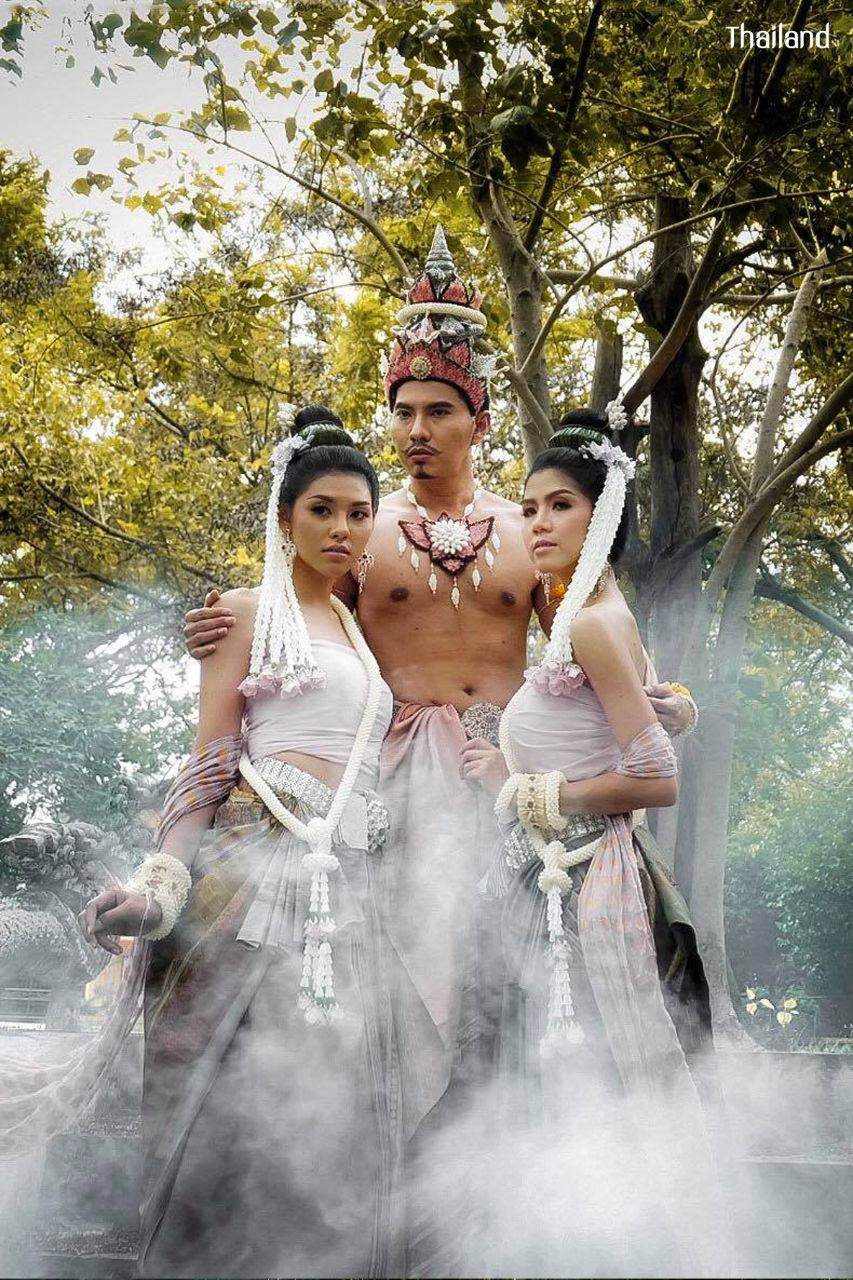
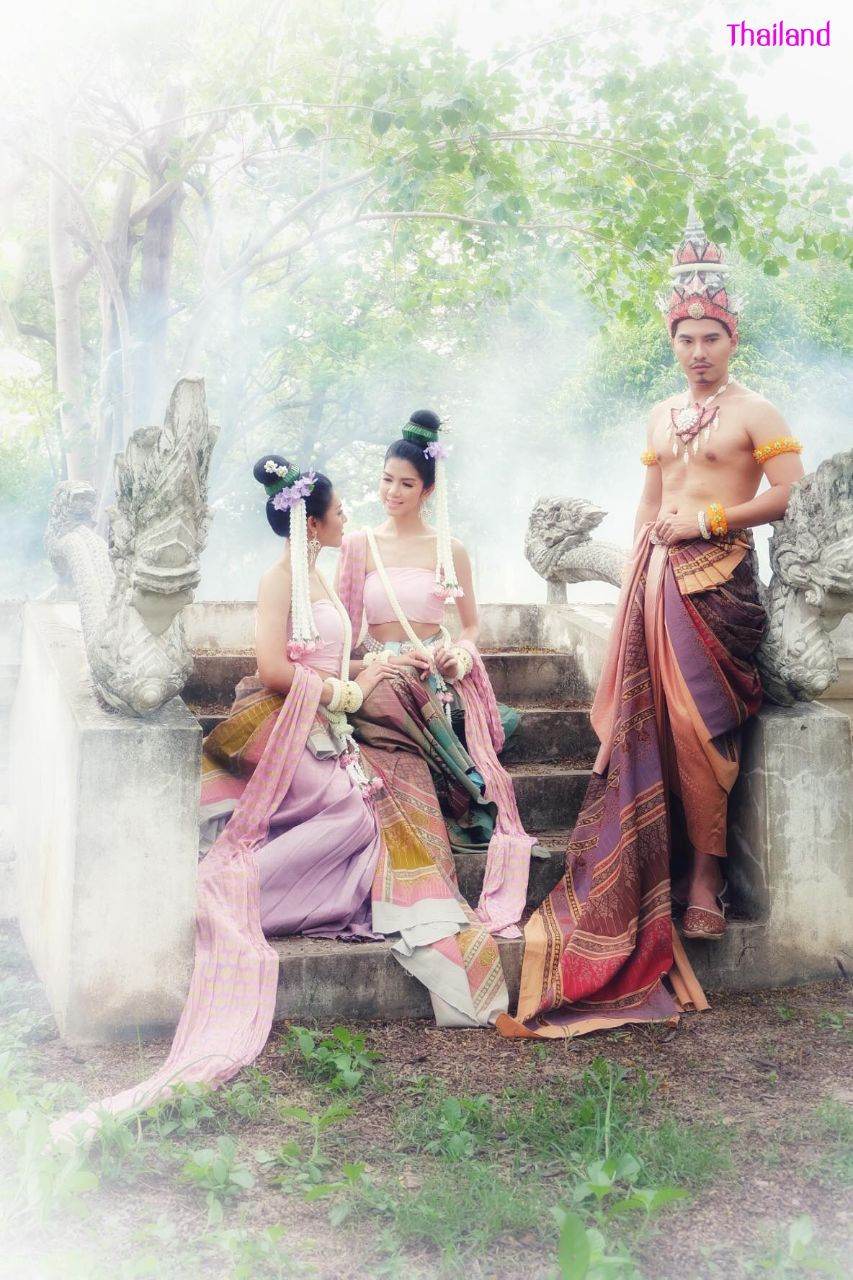
Lilit Phra Lo: Thai Literature | THAILAND 🇹🇭
 อ้ายเติ่ง
“รอยรูปอินทร์ หยาดฟ้า มาสร้างสรร
ดั่งคนธรร สรรเสก พระลอศรี
งามระบือ ลือไกล ในปฐพี
พระเพื่อน แพง น้องพี่ ลุ่มหลงรอย”
✦Costume: Sodaice Bt (สามสายร์สตูดิโอ)
——————•♦•——————
♦ Lilit Phra Lo (Thai: ลิลิตพระลอ) is a narrative poem of around 3,870 lines in Thai.
Lilit is a poetic form; Phra is a prefix used for royalty and monks;
Lo is the personal name of the hero, sometimes transcribed as Lor or Law.
♦ Date and authorship are unknown but the work was probably composed in the late fifteenth or early sixteenth century CE and counts among the five earliest works of Thai literature. The plot is a courtly romance that ends with a tragic massacre and political reconciliation.
♦ The work has been criticized for portraying feudal indulgence. The story has been repeatedly reworked by prominent novelists and film-makers, often adapting the plot to conform to modern values.


 แชร์





 THAILAND 🇹🇭 | ชุดแต่งงานอีสาน ลานคำดีไซน์
 THAILAND 🇹🇭 | ล้านนา, Lanna traditional costume - Tai Yuan ethnic.
 ศรีธรรมาทวารวดี: Dvaravati Era | THAILAND 🇹🇭 (๒)
 Thai Dress: ชุดไทย ผ้าลายอย่าง | Thailand